Bring a dead SURRON battery back to life, safely. A small CAN bridge, with or without a screen, that shows what the battery sees: every cell group, signed current, temperature sensor, serial number and live communication state—before anyone guesses why the original charger refuses to start.
Target availability: November 2026. Planned prices: $29.99 phone version, $49 touchscreen version, $99 large-screen version. No preorder, no payment — just one email when it is ready. Prices and dates are targets and may change.
Battery data live CAN CONNECTED
Pack voltage63.08 V
Average cell3.154 V
Lowest cell3.038 V
Delta116 mV
Ultra Bee example · 20 of 20 groupsIllustrative interface preview
20S / 22SModel-specific cell-group visibility
5 thermistorsTemperature monitoring during diagnosis
Live CANFrame activity and battery-state visibility
Local logsSession history that can be exported
Two guided product tours
An OEM refusal—then a healthy pack.
Both demos are fabricated Ultra Bee 20S examples. Demo 1 illustrates an OEM refusal and a possible recovery workflow; Demo 2 shows a healthy-pack maintenance view. Displayed current, duration, history and charger acceptance are presentation data, not validated customer-pack promises.
Recorded from the published web interface · Fabricated demonstration data · No CAN or charger commands
Left your battery sitting too long? Here’s how this gets it charging again.
The situation: you parked your Ultra Bee for a season, and the battery drained itself too low. Now the original charger won’t start, because at least one cell is under the 3.0 V the factory system will accept.
What the Reviver does: it connects to the battery’s CAN lines, talks to the battery, and reads every cell group. If every cell is above a safe minimum, it carefully and gently charges the weak cells back up, supervised and current-limited, until the factory charger is willing to take over again. If a cell is too low, it says no.
Designed by our engineering team: Kevin and his dog, for now. 🐕
It is not a guarantee. A normal Ultra Bee pack sits at about 65–84 volts. If your cells are so far gone that the whole pack totals less than about 20 volts, the battery’s electronics likely can’t even talk on CAN bus, and the Reviver may not be able to read or revive it. Some packs are simply past saving, and it will tell you rather than guess.
Dead battery? Don’t buy a $2,000 pack yet.
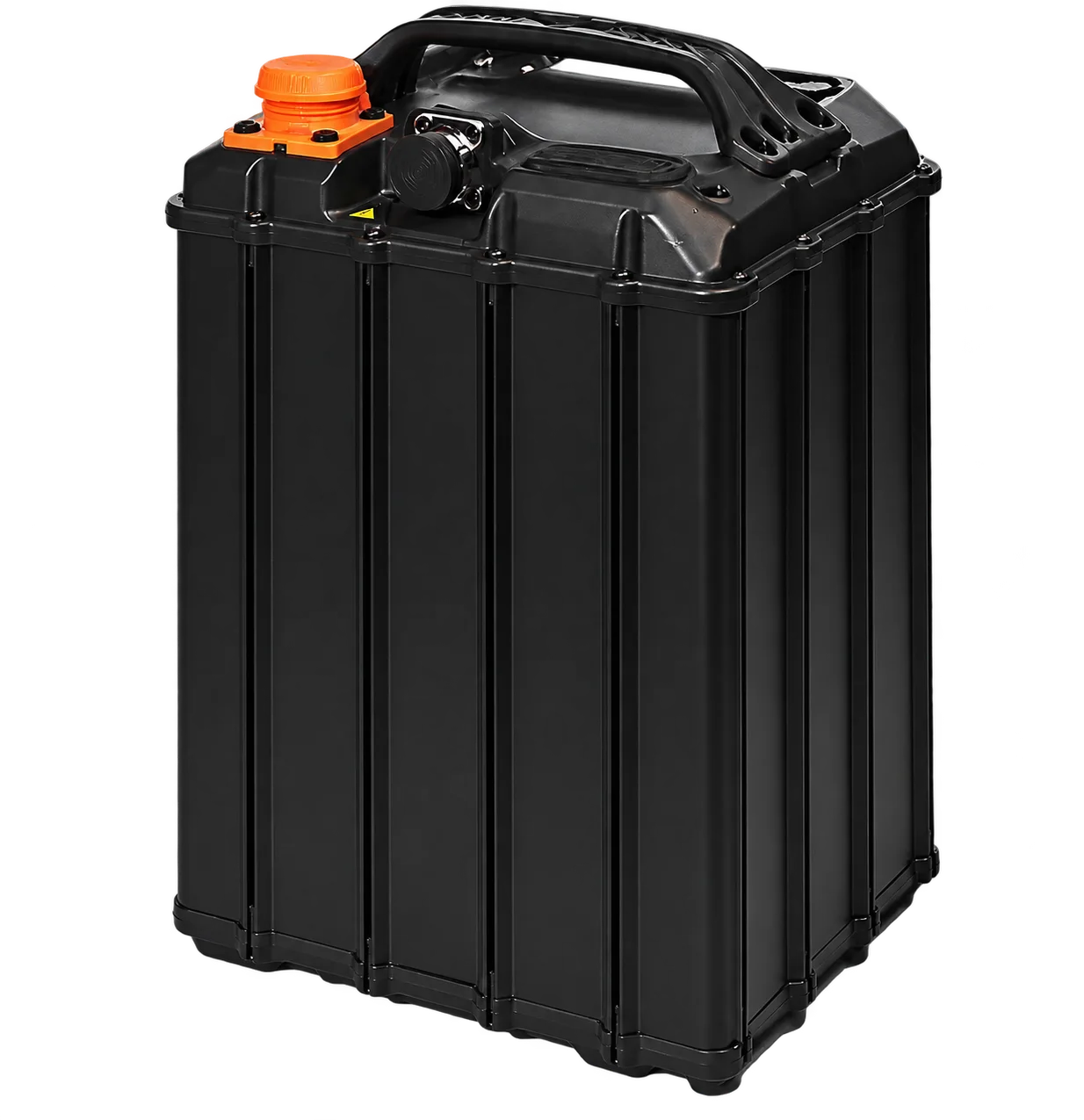
Here is the problem. A SURRON battery never really goes to deep sleep. In our experience it keeps drawing power even when the bike is parked, so a pack left at 50% can drain well below 60 volts (less than 3.0 volts per cell) over a season of not riding. At that point the battery management system treats it as dead and disallows charging under any circumstances, and the original charger won’t start. SURRON’s own advice is to charge the battery every month even if you aren’t riding. We think that’s a bad design for a seasonal vehicle. SURRON says it improved this on the Light Bee 2, which we haven’t verified.
Why it locks. If any cell group falls below about 3.0 V, the factory system won’t allow charging. That is the lawyers, the engineers and the physics of battery chemistry all pulling against each other, and the customer who doesn’t want to pay $2,000 for a new pack is the one left stuck. The hazard is real: cells that are over-discharged (under about 2.5 V) or overcharged (over about 4.3 V) can grow dendrites, tiny metal spikes like lightning bolts inside the cell, that can short it out and cause fires.
Video: Michigan Engineering, watching lithium dendrites grow in a lab battery. Lithium-ion cells differ in detail, but the hazard is the same idea: metal spikes that can short a cell.
What Bee Battery Reviver does. It is built with its own hardware and code to inspect each of the 20 cell groups over the CAN link (22 on the Light Bee 2) and show you, on the phone app or its OLED screen, exactly what every cell is at. If every cell is above a safe minimum floor, it can attempt a supervised, current-limited charge to bring the pack back in a way the original system won’t allow. Our design target is a floor above 2.0 V per cell. Because risk climbs below about 2.5 V, the 2.0–2.5 V range is the riskiest part, and the final number is still being set with our engineering and legal review. If any cell is below the floor, or the data is incomplete, it stops and tells you why.
The honest part. It does its best to revive a dead battery safely, but there are no guarantees: some packs are too far gone, damaged or unsafe to charge, and it will say so rather than risk it. It is still in development and not for sale. Read the full guide: why SURRON batteries die and how a safe recovery works →
When it can’t help: no power, no conversation.
Sometimes the Reviver will not read, or work on, a battery. That happens when the total voltage of the whole pack is so low that the battery’s own electronics can’t power up enough to talk on the CAN bus. If the battery can’t answer, there is nothing for the Reviver to read, and it will tell you plainly that it got no response. It does not guess.
It also means a pack that has been left dead for a very long time may be past the point where it can be woken safely. We’d rather tell you that than risk your safety.
What is CAN bus?
CAN (Controller Area Network) is how the electronics in a vehicle talk to each other. It is a two-wire system: one twisted pair of wires, and you can plug as many devices onto those same two wires as you need. Every device listens, and any of them can send short labelled messages for the others to read.
It was created for cars in the 1980s and is now in almost every car, truck and electric vehicle, and in many motorcycles. On a SURRON, the battery, motor controller, dash and charger all share it. That’s why a single cable into the charge port can ask the battery about every cell: the Reviver simply joins the conversation and listens first.
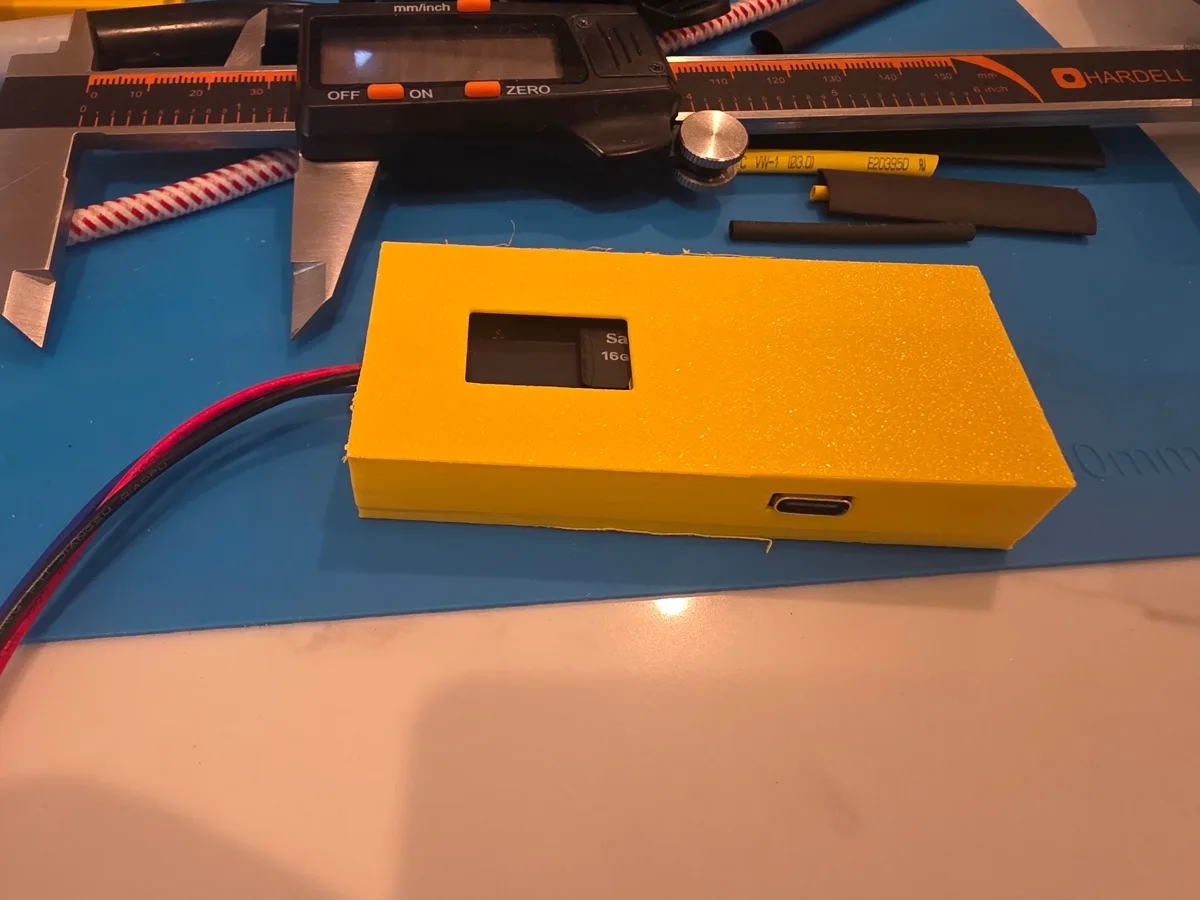
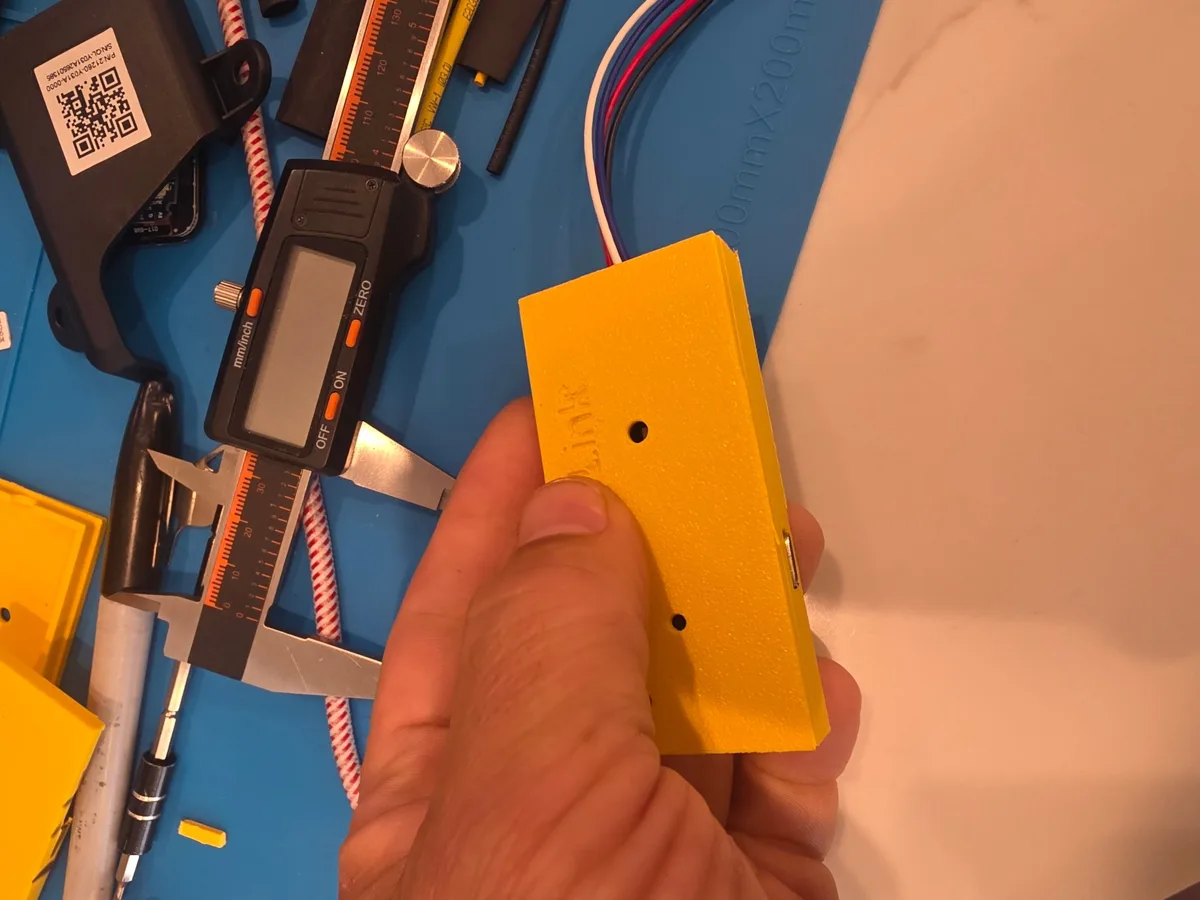
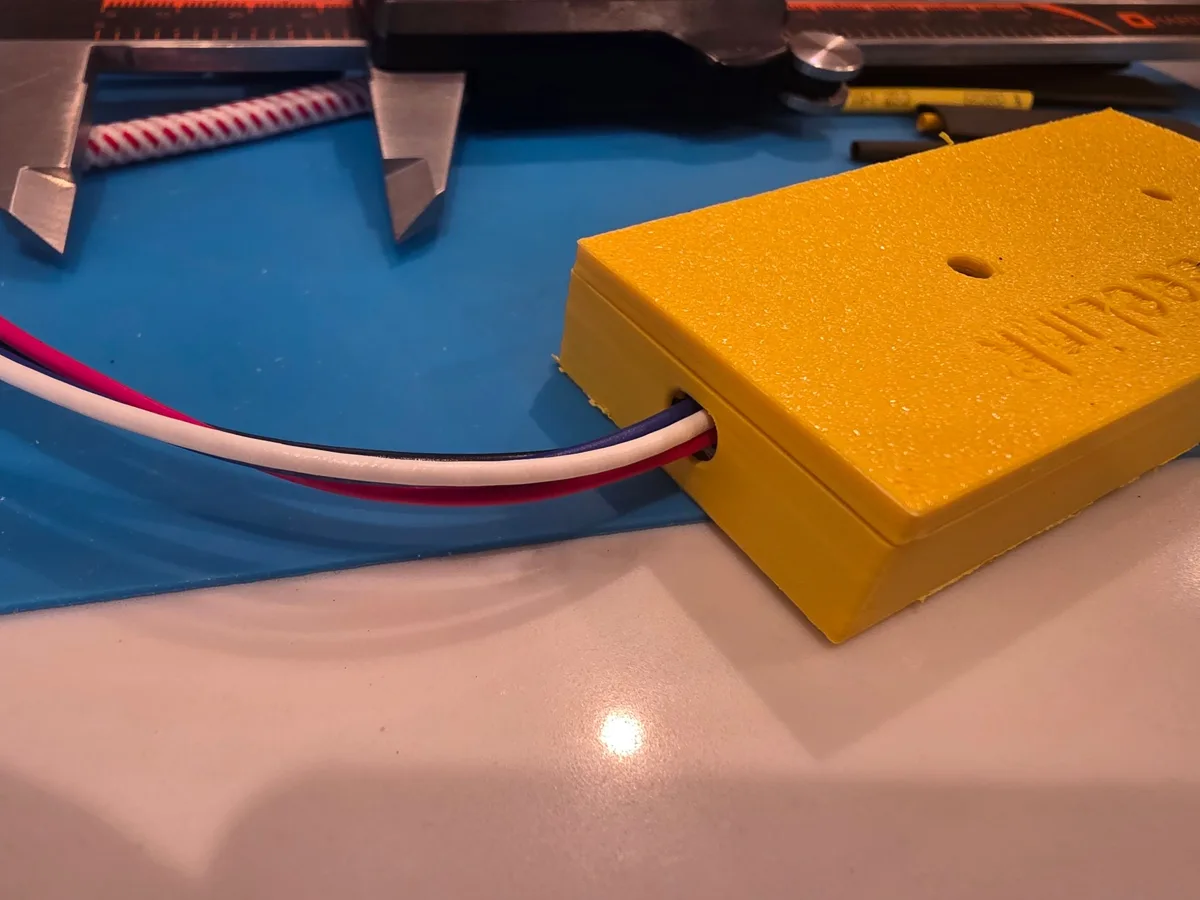
The prototype, on the bench.
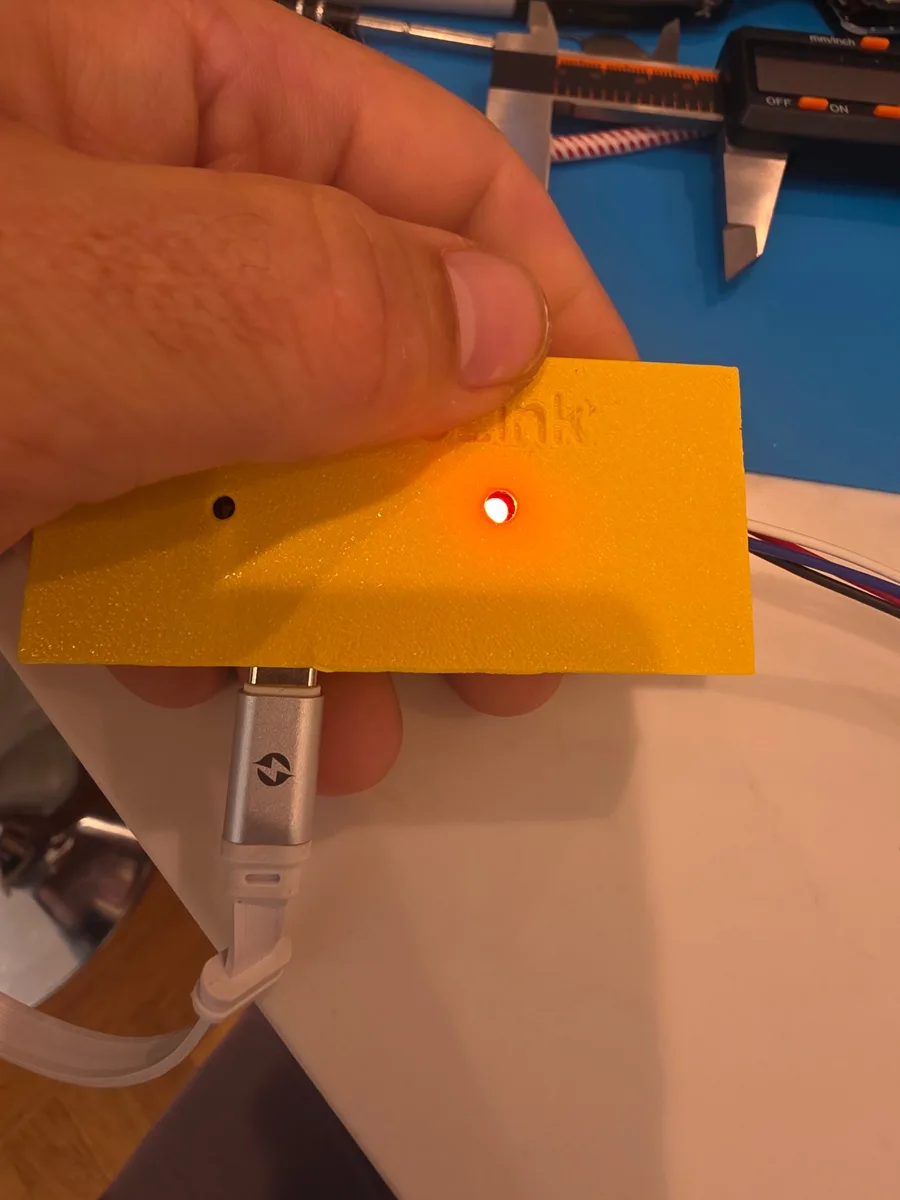
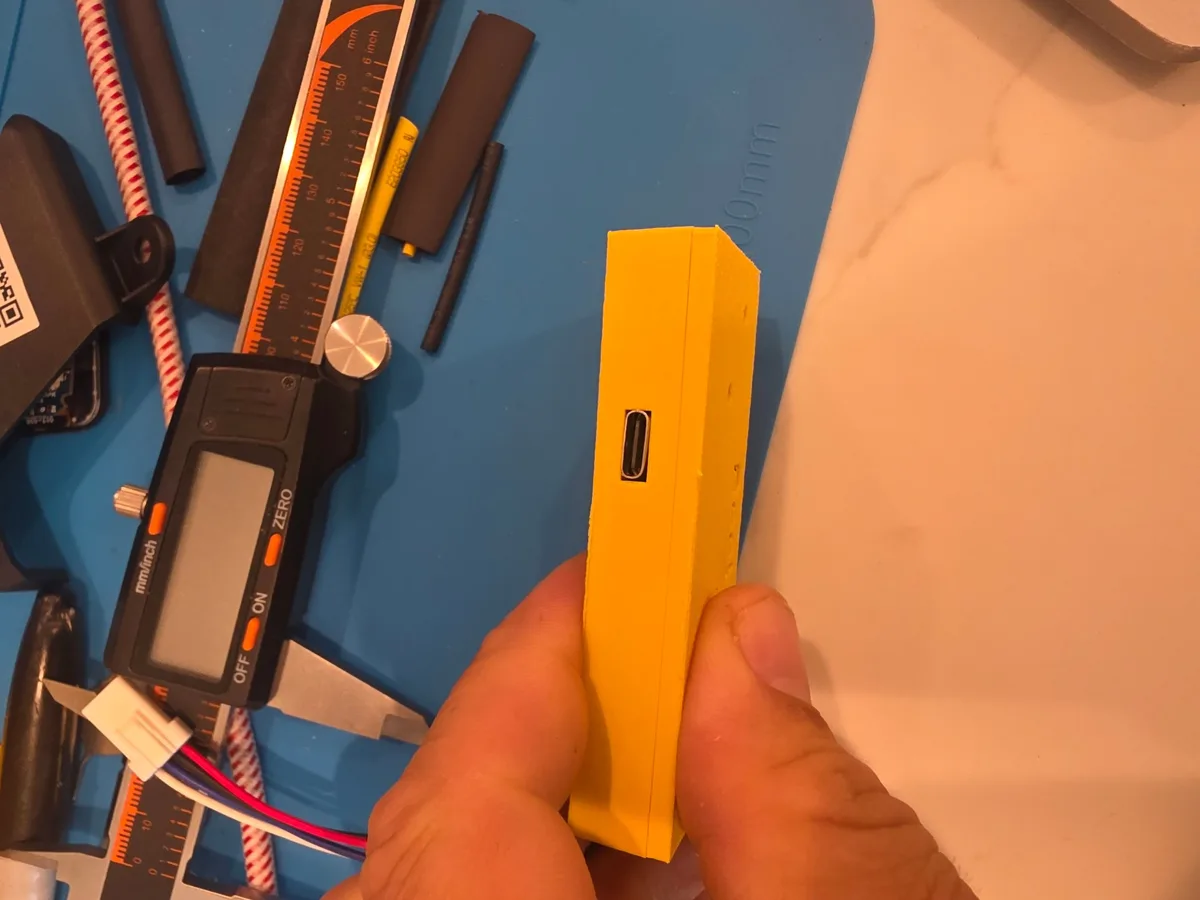
These are early 3D-printed prototypes, not the finished product. Production units will look cleaner and more polished. They do show the layout we are building toward: a microSD card slot for logging, and a USB-C input so the unit can be powered from the outside, for example when a battery is too dead to power it.
microSD slot. Logging to a card you can pull out and read on a computer.USB-C power input. Powered over USB-C with the status LED lit. This is how an external power source can run the unit without drawing on a dead battery.USB-C port on the side.Top face with LED and small openings. Production gets proper labelling.Cable exit for the connection to the bike or battery.
Three versions, one core.
Target availability: November 2026. The phone version is the same core hardware as BeeLatch, with Reviver firmware and a different connector. The touchscreen versions add a screen and a more convenient way to connect. Prices and dates are targets and may change; if a version ships later we’ll say so here.
PHONE VERSION · NO SCREEN · $29.99 PLANNED
Bee Battery Reviver Mini
No screen: the phone app is the display. Power it from your phone (USB-OTG), a phone power bank or a wall adapter. It broadcasts Bluetooth to your phone and can also join your home Wi-Fi. It taps the bike’s T-Box connector, a JST JWPF 6-pin that costs about $3. That makes it the cheapest option, but the connector is harder to reach and awkward to move from bike to bike.
TOUCHSCREEN · SHOP VERSION · $49 PLANNED
Bee Battery Reviver Touch
A touchscreen unit that plugs straight into the battery’s OEM communication connector, the round one on top of the pack. It works the same on any pack that has that connector, and you don’t have to remove the bike’s original T-Box to get diagnostics from the battery. The price is higher mostly because of that connector, about $15 from Digi-Key versus about $3 for the T-Box connector the Mini taps.
LARGE TOUCHSCREEN + BATTERY · $99 PLANNED · NOV 2026
Bee Battery Reviver Max
A larger touchscreen with its own built-in battery, so it works away from any outlet. Planned for November 2026.
LEAVE IT CONNECTED
Daily battery check
The Mini can stay connected, wake once a day to check the battery, and email, text or notify you if the voltage is getting too low, before it becomes a dead pack. Planned; alerts need your Wi-Fi and internet connection.
POSSIBLE ADAPTER LATER
Charge-port adapter
We may later offer an adapter from the JST JWPF 6-pin to the bike’s charge port, a CNLinko LP20 connector: 4-pin on Ultra Bee 2023 to 2025, 6-pin on the 2026 Ultra Bee and 2026 Light Bee 2. Not decided yet. Always confirm the pin count on your own bike.
NOT FOR SALE YET
Join the list
No preorder and no payment. Leave your email and we’ll send one message when it’s ready.
Free recovery attempt. If you pay for shipping and provide the box, I will attempt to bring your battery up to safe voltages, at no charge for the work. It is an attempt, not a promise: some packs are too far gone, and I’ll tell you honestly if yours is one of them.
Why most people will buy the hardware instead. The Reviver costs much less than shipping a battery both ways, and you keep a very cool gadget afterward. Fix your own pack, then keep it for the next time, pay it forward to a friend, or sell it on the used market.
Before you ship anything: contact me first. Batteries this size are regulated dangerous goods, so shipping must follow the carrier’s rules, and that is your responsibility. I can’t accept batteries that are swollen, dented, leaking, burnt or smell strange. Email or text 415.341.2281. Use of this service is at your own risk; see our terms.
The answer is inside the pack.
A pack-level voltage can look plausible while one cell group is far behind the rest. Battery Reviver makes the hidden differences visible before anyone decides whether the pack is eligible for a controlled recovery attempt.
01 · CELL GROUPS
See every expected group—not just the total.
Highest, lowest, average and delta are shown beside each individual group: 20 on supported Ultra Bee packs and 22 on the confirmed Light Bee 2 pack. Incomplete data remains visibly incomplete.
02 · TEMPERATURE
Know when heat changes the decision.
Thermistor readings are visible throughout the session with clear cold, normal and hot states.
03 · HISTORY
Watch the pack move over time.
Chart pack voltage, current, average, highest, lowest or any individual cell group. Export a readable CSV for later comparison.
04 · CAN COMMUNICATION
Wake, read and verify the battery's own state.
The bridge communicates over the battery's CAN bus, shows live frame activity and keeps decoded, provisional and raw data clearly separated. Confidence labels are evidence—not decoration.
What it reads today.
The current prototype captures far more than a single pack-voltage number. The interface keeps direct battery measurements, calculated values and provisional CAN evidence visibly distinct.
Pack and power
Pack voltage · signed current in amps · charging or discharging direction · state of charge · energy in watt-hours · charge in amp-hours · elapsed session time.
Every expected cell group
Model-specific group voltages in millivolts · 20 for supported Ultra Bee packs · 22 for confirmed Light Bee 2 · valid-group mask · extrema, average, delta, weakest-group identity and history.
Temperature
Four cell-mass thermistors plus the BMS control-board thermistor · Celsius or Fahrenheit display · trend bars · cold, normal and hot states.
Battery identity
Battery serial number · selected pack/model configuration · pack label · recoverability assessment · session record and local CSV export.
Live CAN health
CAN online state · frame heartbeat · receive and transmit counts · frame age · bus status · receive and transmit errors · incomplete-data detection.
Advanced evidence
BMS state and conducting-path indication · CAN IDs · byte payloads · frame rate · changing-byte highlights · confirmed, provisional and undecoded confidence labels.
Honest by design: calculated values are labeled as calculations, missing cell groups remain missing, and a provisional decode is never promoted to confirmed just because it looks convincing.
External diagnosis
Learn what is wrong without opening the battery.
Battery Reviver plugs into the supported factory charge/CAN connection. The diagnostic workflow does not require removing the lid, probing internal cell leads, cutting seals, bypassing the BMS or touching the high-current internals.
No enclosure opening required. You can read the serial number, all available cell groups, thermistors, current and CAN health from outside the pack.
No claim of invisible warranty magic. The product avoids the invasive work most likely to create a warranty dispute, but warranty coverage is still decided by the manufacturer or seller. The present confirmed decode does not establish a reliable “lid opened” flag.
Do not open a “dead” pack just to inspect it. Deep sleep can make a battery look lifeless to the OEM charger while the BMS still has useful diagnostic data available over CAN.
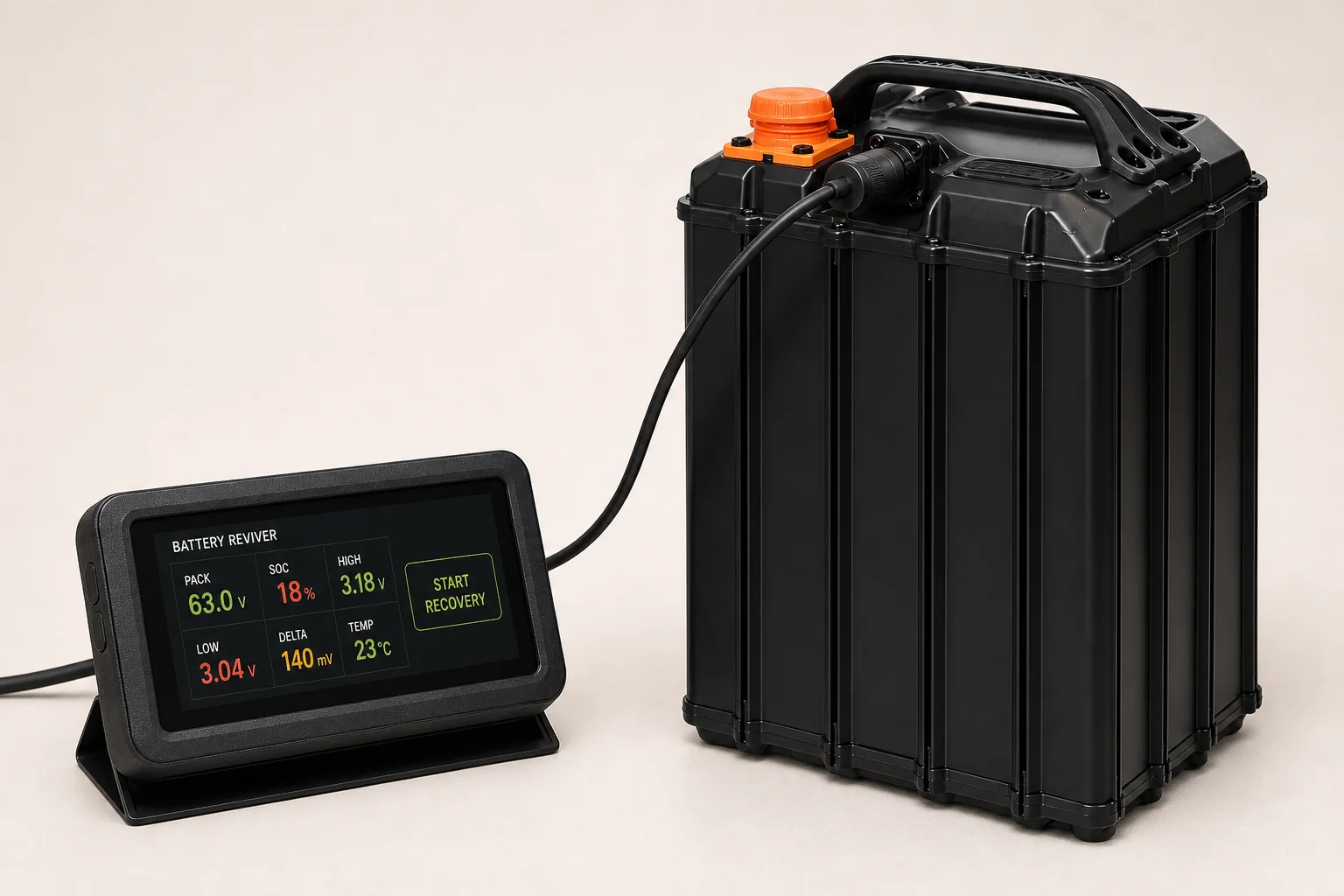
Connected through the factory top port Concept render · final enclosure, photography, pricing and availability are not yet announced
Sur-Ron chose safety over serviceability.
When the weakest group falls into the OEM refusal region near 3.0 V, the original charger may not wake the pack or provide even a tightly limited diagnostic charge. That is an extremely conservative choice. It helps explain why factory-pack charging failures tend to stop rather than continue blindly—but it also leaves owners with batteries that appear completely dead while valuable CAN data is still available.
From a serviceability standpoint, Sur-Ron missed the mark. A carefully current-limited, supervised wake window above a validated minimum could have made some deeply sleeping packs easier to evaluate without opening them. Sur-Ron chose the harder stop instead. Battery Reviver exists to expose the measured state first and make that frustrating situation understandable.
The production devices come in a no-screen phone version and touchscreen versions. Final hardware, photography, pricing and availability will be announced only after the model-specific safety and validation work is complete.
Plug in. Read first. Act second.
The product is designed around a simple principle: recovery controls stay behind measured safety and data-completeness checks. If the dashboard cannot establish a complete view, it says so rather than filling the gaps with confident-looking numbers.
STEP 01
Connect the bridge
Select the bike and connector type, connect the display bridge and begin a logged CAN session.
STEP 02
Read the whole pack
Review every expected voltage group—20 on supported Ultra Bee packs and 22 on the confirmed Light Bee 2 pack—plus thermistors, current, pack voltage, delta and history before recovery is considered.
STEP 03
Follow the measured state
The interface explains why an action is available, why it is blocked and when the original charger is worth trying again.
Built around model-specific pack definitions.
Connector guidance is included because the 2026 model year spans more than one charge-port configuration. Ultra Bee uses a 20-series pack; the confirmed Light Bee 2 pack uses 22 series. Similar connectors do not make the electrical systems interchangeable.
Ultra Bee
2024 and earlier, 2025, and early-2026 configurations.
74 V nominal · 55/60 Ah4-pin
Ultra Bee · 2026
The newer 2026 configuration with CAN and wake conductors in the charge connector.
74 V nominal · 60 Ah6-pin
Light Bee 2 · 2026
The CAN-equipped Light Bee 2 (LB2) battery—not the earlier Light Bee 1 platform.
78.54 V nominal · 45 Ah6-pin
One interface, three levels
Basic keeps the diagnosis simple. Advanced adds full graphs and battery detail. Technician exposes raw CAN evidence and service controls.
iPhone · Android · iPad · WebResponsive
Product roadmap
Sur-Ron first. More brands next.
The first release is deliberately focused on the Ultra Bee and Light Bee 2 variants being validated. Expansion to other electric-motorcycle and powersports brands remains future work.
Each new battery family needs its own connector mapping, wake behavior, communication handshake, message decoding and physical testing. CAN and RS-485 support will be added model by model only after the evidence is repeatable.
FirstUltra Bee + LB2 validation
FutureAdditional brands
OngoingCAN + RS-485 research
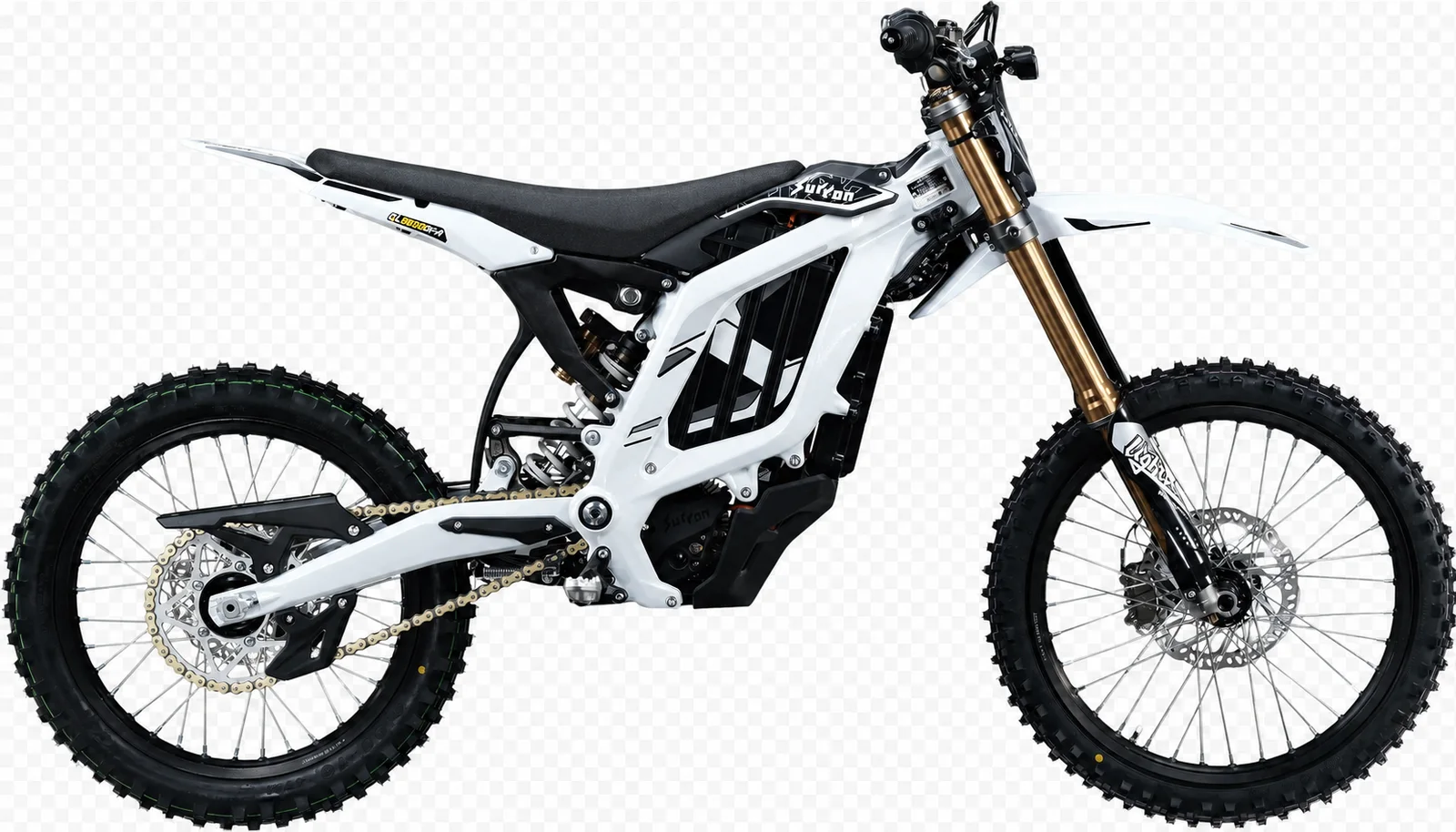
The bikes—and the ports that matter.
The 2026 model year crosses two charge-connector generations. Pick the bike first, then visually confirm the connector before attaching anything. Tap any charge-port photograph to inspect the original at full size.
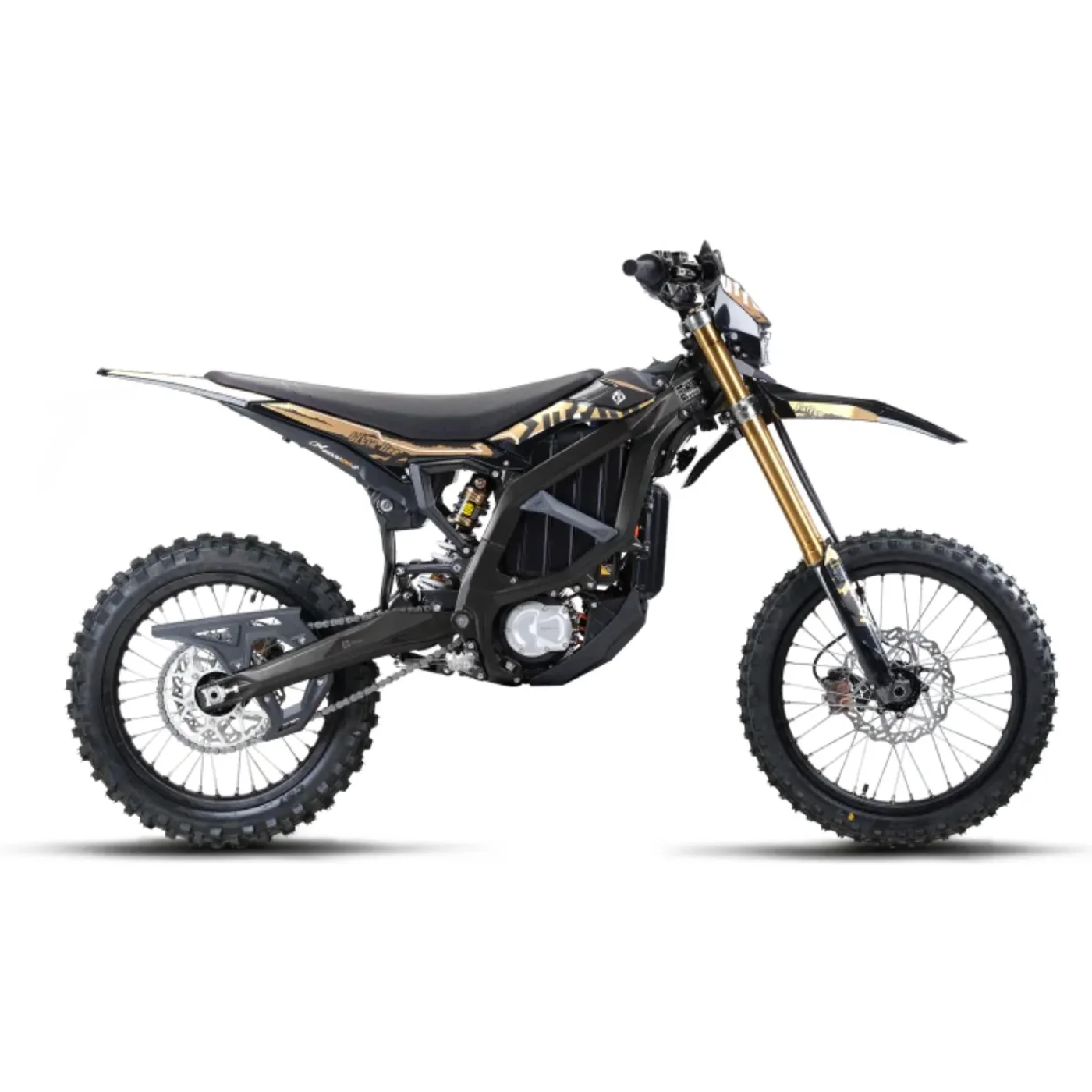
Ultra Bee · 2023, 2024 and 2025
74 V nominal · supported 55 Ah and 60 Ah packs.
Ultra Bee · Mid-year 2026
74 V nominal · newer 60 Ah configuration.
Light Bee 2 (LB2) · 2026
78.54 V nominal · 45 Ah semi-solid-state pack.
Reference photographs show the battery-side connectors. Always verify the pin count and keying on the actual pack; do not select a cable from model year alone.
Why early diagnosis matters.
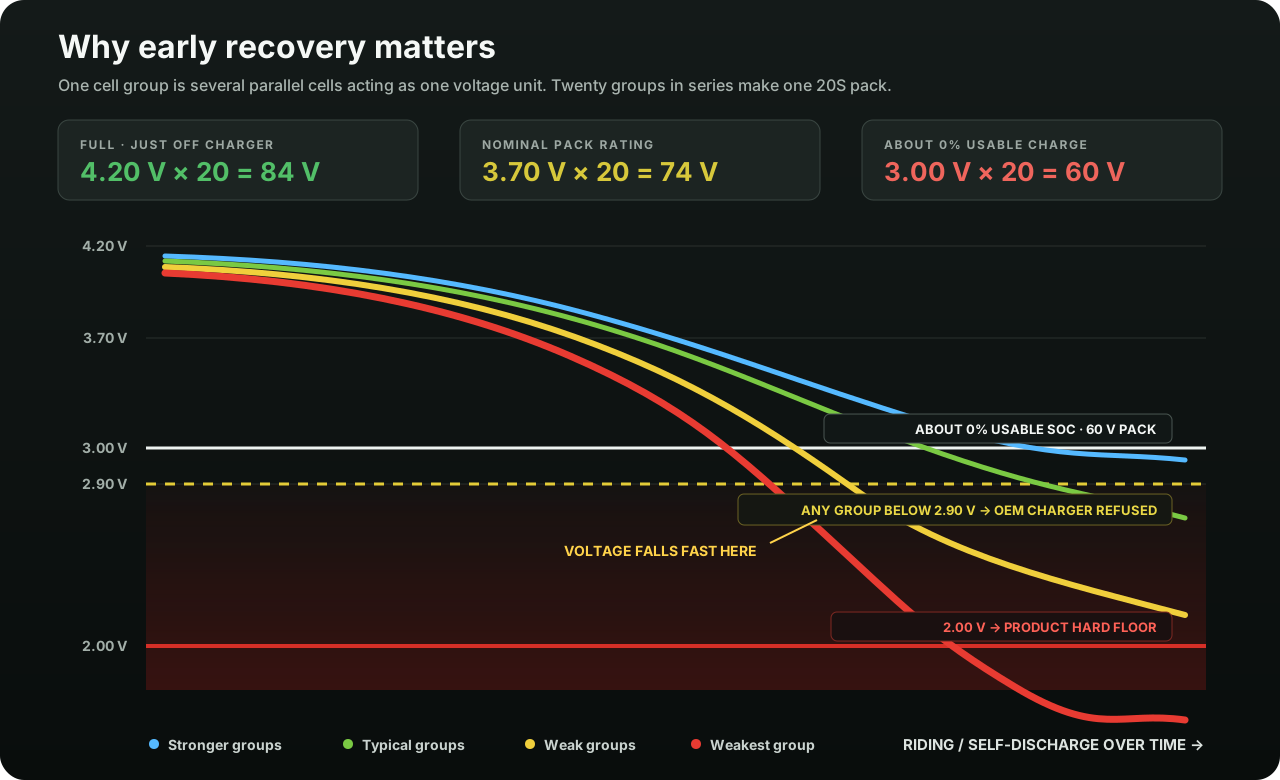
In the illustrated Ultra Bee 20S example, twenty groups at 3.00 V produce roughly a 60 V pack with essentially no useful riding charge left. Below that region, weaker groups can fall much faster than the rest. A total-pack measurement alone cannot show which group crossed the line first.
The chart is educational, not a guarantee of recovery. The prototype currently blocks recovery below 2.00 V as a conservative control policy; that value is not proof that a cell above it is internally safe or recoverable.
Safety is part of the product
It is allowed to say no.
Battery Reviver is not a blind charger and it is not a BMS-bypass tutorial. It records what the battery reported, preserves interrupting warnings and hard-blocks recovery when the measured state falls outside the product's limits.
Incomplete data stays incomplete. Missing groups are not silently treated as healthy—or as real zero-volt cells.
The prototype blocks recovery below 2.00 V. The diagnostic view remains available, but the recovery command does not. This is a conservative product-control rule pending formal engineering and liability review, not a safety certification.
Low-voltage sessions are recorded. Internet is required for the first capture in the planned customer workflow.
Stay with the battery. Temperature, voltage and current require continuous supervision during any recovery attempt.
Launch availability
Target availability: November 1, 2026.
Leave your email and we'll send the availability announcement and important launch updates. This is not a preorder, no payment is collected, and joining the list does not reserve or obligate you to buy anything.
Electric Moto Garage will use this address only for Bee Battery Reviver availability and closely related launch updates. Unsubscribe anytime. Questions: hello@electricmotogarage.com